There are wonderful things in life that make us pause and think.
This is one of them.

There are wonderful things in life that make us pause and think.
This is one of them.
I rarely write about my oldest son’s death.
It’s not because I feel shame over his suicide (as one church leader suggested to which I kindly corrected him). It’s because I do not want to build a platform as an author or directly profit monetarily through writing about suicide. I would have to say more than I care to. The circumstances surrounding it was very personal and I want to protect my son.
However, I do feel free to write about how I have felt as a mother. I know there are so many mothers (and fathers, siblings, friends) who have their story. I know mine. And I know I share similar feelings with other moms.
I think the number 1 problem surrounding suicide is how people deal with you and your loved one after they’re gone. Every mother is proud of her child. As I write, I’m listening to an interview with the mother of Aaron Carson Vaughan, a SEAL Team Six soldier who died in a Chinook chopper accident in Afghanistan.
The mother is grieving. Yet, she has one thing I don’t have.
Her son is regarded as a hero.
My son is not.
People who die from fatal accidents or terminal illnesses, well, it wasn’t their fault.
People who take their own life, well, it was there fault.
I’ve been told, “Well, people don’t know what to say”.
“Oh, you poor person who doesn’t know what to say to me. Well, excuse me while I go mop up the blood seeping out of my heart so I can help you feel better.”
Insane, isn’t it? But this is a common response.
You can’t slap a forgiveness scripture on this kind of thing. Responding to suicide requires you to reach deeply within yourself and go the extra mile.
If it sounds like I’m bitter, I’m not (please.. don’t add that to my repertoire, too). The thoughts that have accumulated need to be said. Not just for me, but as a mouthpiece for so many hurting mothers who write blogs about their experiences.
I have spent 9 years processing and I have experienced strength, hope, and joy as God has led me through this valley of the shadow of death. The people who have made this worse for me are not my enemies. There are things that have been said and done that should never have happened. There have been good things said and done, too. The pain of suicide is tender to the touch. We know how to be gentle with a person who is paralyzed. But we don’t seem to know how to be gentle with someone with a paralyzed heart. We don’t expect the paralyzed person to get up and walk. But we expect the paralyzed heart to quickly recover because “Jesus heals”.
My son, Christopher, is a hero. Not in that he took his life. But because of the life he led. He loved God with all his heart, soul, and strength.
He embraced what he was taught and was fearless. God is big enough, loving enough, good enough, to understand – when others do not.

There are serious situations in life that change us forever.
Then there are the chronic situations in life that will never change.
Both threaten our faith. Both are opportunities to become stronger or weaker. Despite the wounds that come from difficult, discouraging, and desperate situations, the scar tissue may be noticeable, but can become stronger and better able to tolerate stretching forces.
Yes, you can become stronger when the unfairness of life beats you down. It’s all in how you look at it.
If you don’t think about what is after life here on earth, then what is life all about for you?
Do you have hope? If so, hope for what? That one day you will die and it will be all over?
The Bible says this:
He has made everything beautiful in its time. He has also set eternity in the human heart;
yet no one can fathom what God has done from beginning to end.
God put eternity in our hearts. That’s why we think about it.
One day, life will be over here. The injustices, unfairness, pain, and all evil will be eradicated.
If life has been difficult for you, set your thoughts on eternity when God makes everything right.
It’s the only way we can become stronger.
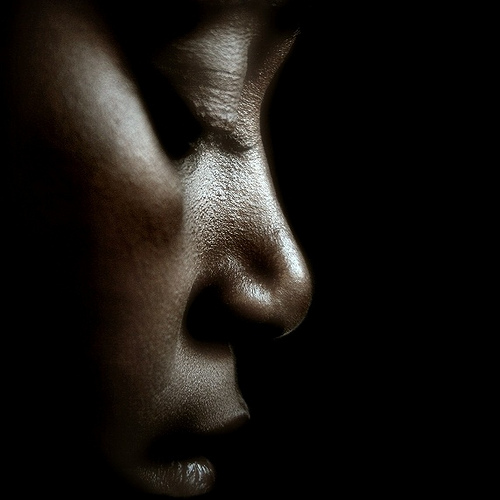
Photo credit: Ferran. / Foter / Creative Commons Attribution-NonCommercial-NoDerivs 2.0 Generic (CC BY-NC-ND 2.0)
After the initial days or weeks of a painful situation, it is important to begin thinking about what you are thankful for. It’s a choice. You may not feel it but do it anyway and watch what happens.
If you live in a culture that emphasizes self- indulgence (what you deserve or what makes you happy), you can get used to living by how you feel.
Taking a moment and considering the things that went right instead of only what went wrong has a physiological affect. Studies show amazing benefits to name a few- increased positive mood, a sense of belonging, better sleep, increased energy, and fewer incidents of illness.
According to WebMD, feelings of gratitude were at high levels after 9-11.
How can this be? When tragedies happen, things that really matter come into perspective.

When you’re hurting, I know you want to stay there. Many cultures practice a time of mourning the loss of a loved one by wearing dark or muted colors and withdrawing from social events. In Western culture, I think it would be good to revisit these practices.
Yet, there comes a time when we put away the mourning clothes and face the future with hope and optimism. Remembering what you are thankful for will put you in a hopeful and optimistic mindset.
You have the rest of your life to live!
~~~
Photo credit: That Guy Who’s Going Places / Foter /Creative Commons Attribution 2.0 Generic (CC BY 2.0)
 when it hurts